






Sandra’s earliest memories of storytelling do not come from bookshelves or television screens. They come from a rural area in the highlands of western Mexico, where moonlight, warm drinks, and her grandfather’s voice transformed ordinary nights into something magical.
Born in the United States but raised in a rural area in the highlands of western Mexico, Sandra grew up in a world where stories were spoken, not printed. Books and television were scarce, but imagination was abundant. After dinner, her grandfather would gather the children on a wooden bench in the courtyard, wrap them in blankets or sarapes, and begin to tell stories.

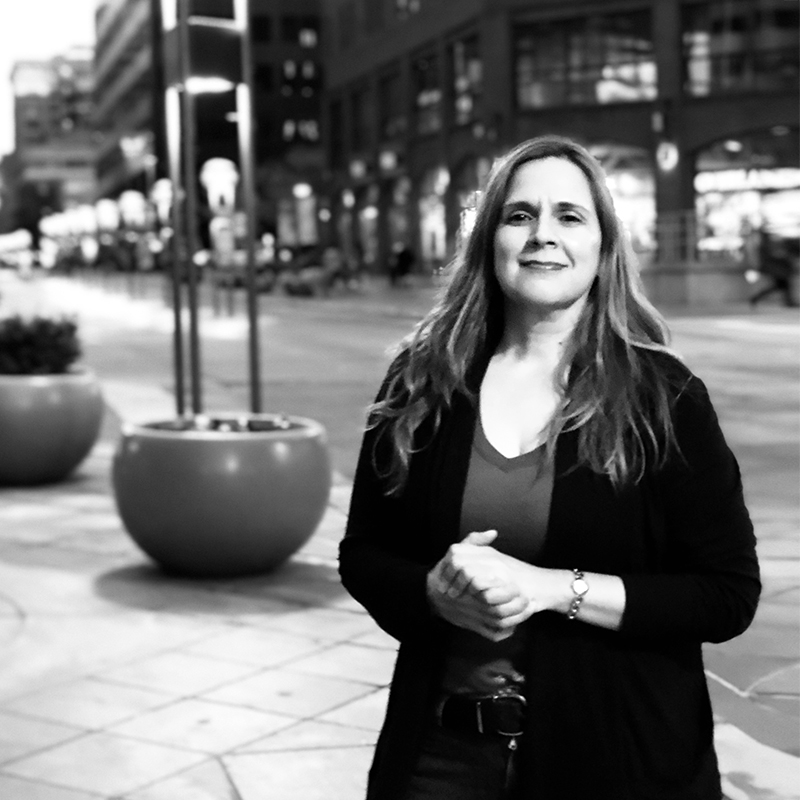
Photo by Arthur Kobin for Drew Altizer Photography
Sometimes the stories were familiar, told many times before. Other times, when the children asked him to repeat a favorite tale on another night, he would forget a detail and change part of the story. When they corrected him, he would smile and say that this was simply another version. It was in those moments that Sandra first learned that stories could have alternative endings, that a single narrative could exist in more than one form. Long before she had the language for it, she was already being introduced to the idea of multiverses.
That lesson stayed with her. Stories, she learned early on, are not fixed. They evolve, branch out, and live in many forms at once.
That childhood, shaped by oral storytelling, radio dramas, and long afternoons playing among rocky landscapes with her cousins, planted the seed for a life devoted to words.
Today, Sandra describes herself as a devoted reader, curious observer, and lifelong dreamer. Reading, she admits, feels almost like an addiction. She pays close attention to the small details of everyday life, listening carefully to conversations in cafés or restaurants, always alert to the moments that might spark a new story.
Her relationship with writing began early. Around the age of five or six, she was already imagining her own children’s stories. In elementary school, she began putting those ideas on paper. Still, publishing came much later. Her debut children’s book marks the first time those early impulses have taken a finished, public form.
That first book was written with one reader in mind, her son. Becoming a mother reshaped Sandra’s creative vision. She wanted to create a story they could enjoy together, one that invited imagination rather than instruction. Writing for children, for her, is not about simplifying ideas but about honoring the intelligence and emotional richness of young readers.
Although children’s literature is where she has chosen to begin publishing, Sandra does not see herself confined to a single genre. She is currently working on a post revolutionary novel set in rural Mexico, inspired by the real lives of her grandparents and their neighbors. Through that project, she hopes to explore a side of history often overlooked, offering perspectives that challenge the dominant narratives found in classic works of that period.
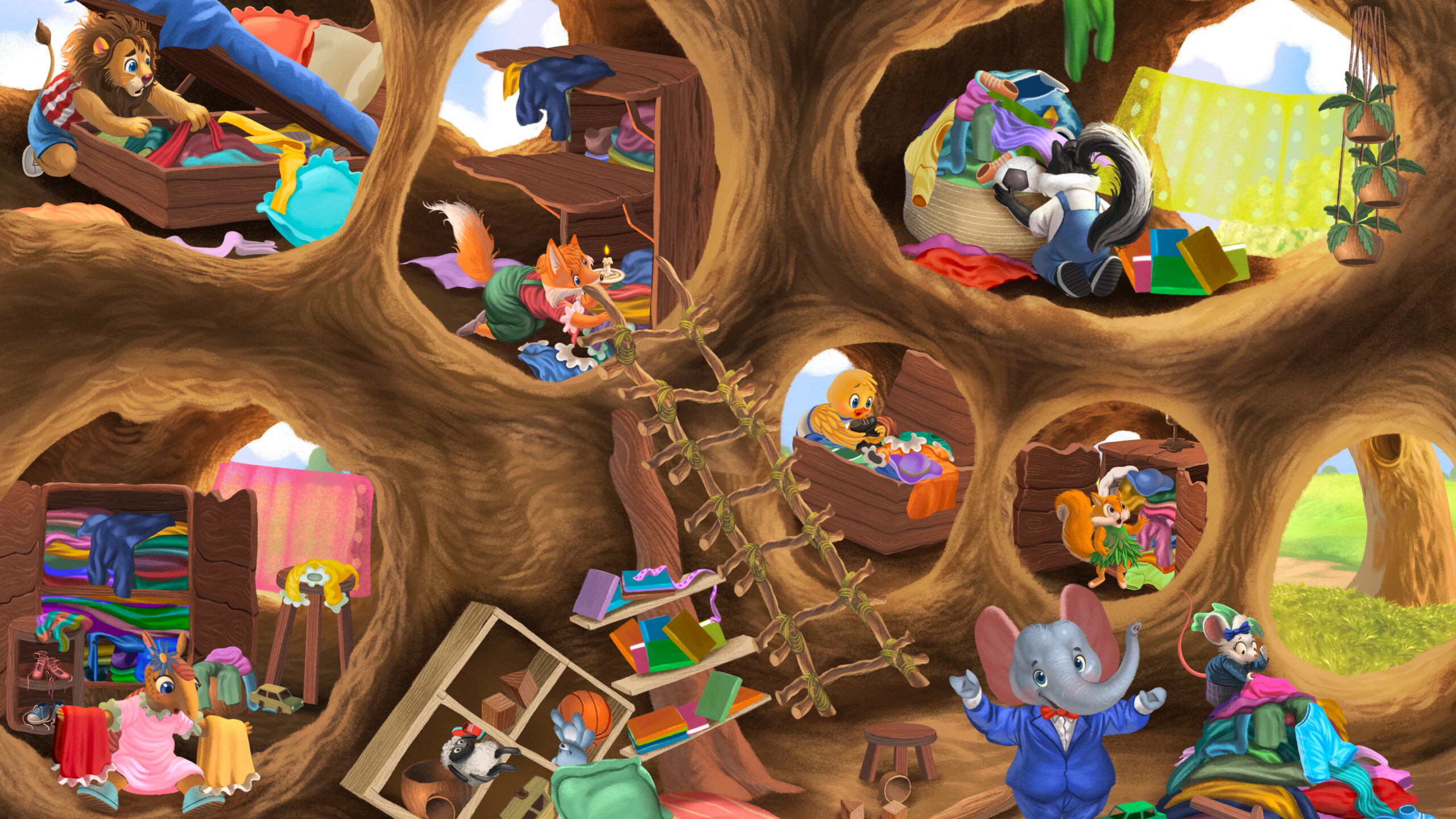
Her children’s book, It’s Party Time! But Where Is My Outfit?, draws directly from her own childhood experiences. In her community, surprise parties were common, and timing mattered. If you were not ready, you simply did not go. Sandra remembers the excitement of last minute invitations and the frantic search for the perfect outfit, moments filled with anticipation, disappointment, and joy. Those memories became the emotional core of the story.
When writing for young readers, Sandra balances personal memory with careful craft. She researched age appropriate language extensively and consulted Children’s Writer’s Word Book by Alijandra Mogilner to ensure the text was accessible, engaging, and developmentally appropriate for its intended audience.
Her writing process itself reflects her professional background. As a Spanish and English translator and interpreter, Sandra approaches language from multiple angles. For this book, she wrote the story first in Spanish and then translated it into English. Moving between languages allowed her to see the story differently each time, revealing nuances and ideas that might have remained hidden in a single language. She describes the process as being two writers in one body.
Visually, the world of her book holds as much meaning as its words. While she feels affection for every character she has created, Sandra feels especially connected to the universe they inhabit. The landscapes are inspired by the rocky terrain of her childhood, places where imagination thrived long before stories were written down.
Although the book was first published in English, translating it into Spanish was always part of the vision. Initially, Sandra considered releasing it as a bilingual edition, but she ultimately chose to publish separate language versions. Her goal is for children to enjoy the story fully in their first language, without feeling as though they are studying. A bilingual edition may come later, as an additional way to experience the story rather than the primary one.
The book is aimed at children between the ages of three and seven, a stage Sandra sees as uniquely powerful. At that age, imagination is vivid and curiosity shapes how children experience the world. Designed as a picture book, it lends itself to shared reading between adults and children, while also supporting early independent readers. An audiobook version narrated by a native American English speaker adds another layer, allowing children to listen and follow along with the text for a more immersive experience. A Spanish audiobook is also planned.
When asked about the first book that truly stayed with her, Sandra recalls a simple school story about a time traveler. Reading it gave her the sensation of moving through time itself, as though books could open doors to entirely different realities. That feeling, she says, was when she realized she wanted to be a writer.
She dedicates her work to her son and her husband, whom she describes as her greatest sources of inspiration and support.
Looking ahead, Sandra sees her future clearly. Writing, translating, and teaching. She hopes to share not only her stories but also her lived experience of learning another language, particularly English, as a bridge between cultures.
Her advice to aspiring children’s writers is simple and firm. Start. Writers are made by writing, not by waiting for permission or certainty. The path, she believes, reveals itself step by step.
Follow Sandra’s journey and upcoming projects through her social media channels here or by visiting her official page where she shares updates on her books, translations, and creative journey here.